
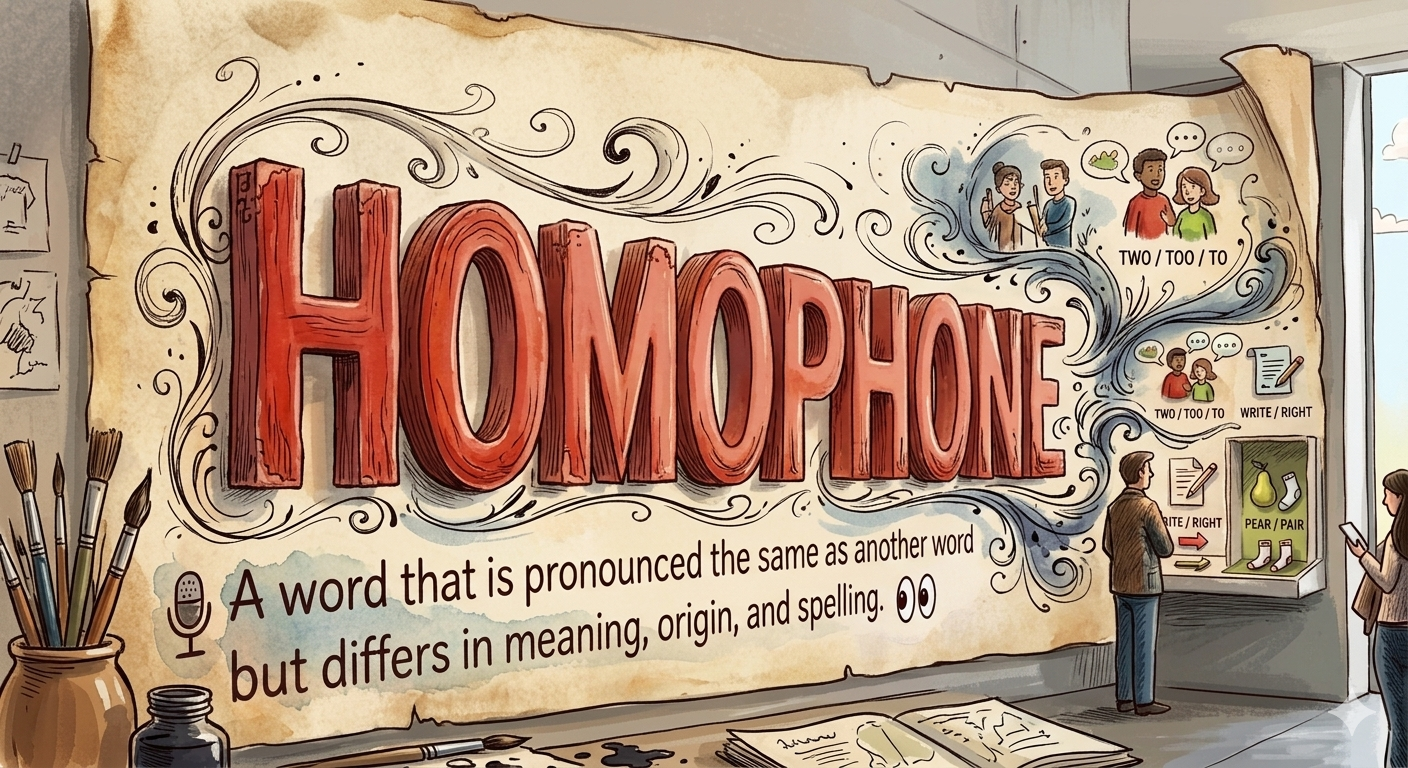
Homophones, two words that sound alike but have different meanings (and are spelled differently), have long been a source of confusion for English language users.
With the mass adoption of grammar checkers and AI tools, I assumed I’d find fewer of these errors out there in the wild. But if anything, it seems the opposite is true.
So, as someone who loves a good list (and any excuse to nerd out on grammar), the following are the most common homophone mix-ups I see, plus some quick tips for remembering the correct use case.
- Bear 🐻 versus Bare 🦶
Bear = as a verb; to tolerate, endure, or carry weight. As a noun, a large furry mammal. Please bear with me.
Bare = as a verb, to uncover or reveal. As an adjective, exposed, empty, naked. The bare minimum.
2. Peak ⛰️ versus Peek 👀 versus Pique 🧐
Peak = the highest point or maximum level. She reached the mountain peak.
Peek = to look at something quickly or through a small opening. Here’s a sneak peek at your photos.
Pique = to excite, stimulate, or provoke. This book will pique your interest.
3. A part 🧩 versus Apart ↔️
Not a true homophone, but I come across this mistake all the time!
A part = two words that mean a piece or segment of something larger. She loves being a part of the team.
Apart = separation or distance. I won’t let the bad weather keep us apart.
I think tackling there / their / they’re and to / too / two deserves a separate post! 🤓
What homophone mix-ups do you see most often?